+2,900%
Bow City Storage

ROAS increase of 2,900% in addition to a 33% CTR increase.
We build automated workflows that nurture leads, streamline processes, and free up your team to focus on closing rather than chasing.




ROAS increase of 2,900% in addition to a 33% CTR increase.

Harmony Resorts reported a 6% conversion rate and an increase in ROAS of 74%.

A 41% increase in revenue along with an efficient 16% increase in ROAS.

From zero to $420K in online sales within 10 months.
Work smarter while steadily building customer engagement and trust. Marketing automation is the practice of automating parts of your marketing strategy through software configured to handle the repetitive, time-consuming work.
It’s used for prospecting, lead nurturing, cross-selling, upselling, and customer service. From chatbots and email campaigns to webinar promotion, it works as a standalone service and does considerably more when combined with the rest of a strategy.
Automation frees you from time-intensive processes. By automating customer touchpoints and the collection of insight, you keep the sales cycle moving without redundant work. You don’t have to automate the whole journey at once: start with the flows that save your team the most time, then add more as the results come in.
Email sits at the center of most of this. With billions of people checking their inbox every day, it remains one of the most powerful channels available to a business of any size, and the only one where the customer has explicitly invited you into a space reserved for people they want to hear from.

Form submittedWelcome email goes out right awayTrigger
Follow-up emailContent matched to what they clickedNurture
Opens and clicksLead score updates with every actionScored
Sales-ready leadRecord and history synced to the CRMSynced
Automation is the backbone of efficient workflow. With competing priorities, the smart move is to focus on your strengths and delegate the rest to a properly configured platform. Six things happen when you do.

Send personalized emails to prospective and current customers, tailored to their preferences and to where they actually are in the journey rather than to when your newsletter happens to go out.

Follow up with leads and send abandoned cart reminders. These are the interactions that move stalled leads along the funnel and turn intent that was already there into realized revenue.
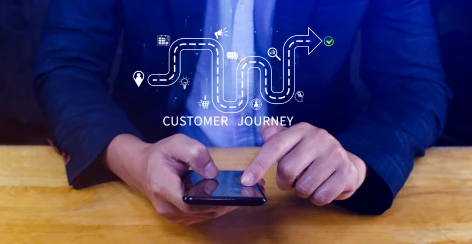
Gain real insight into how buying happens: how long it takes customers to complete a purchase, and which assets they engaged with before they decided.
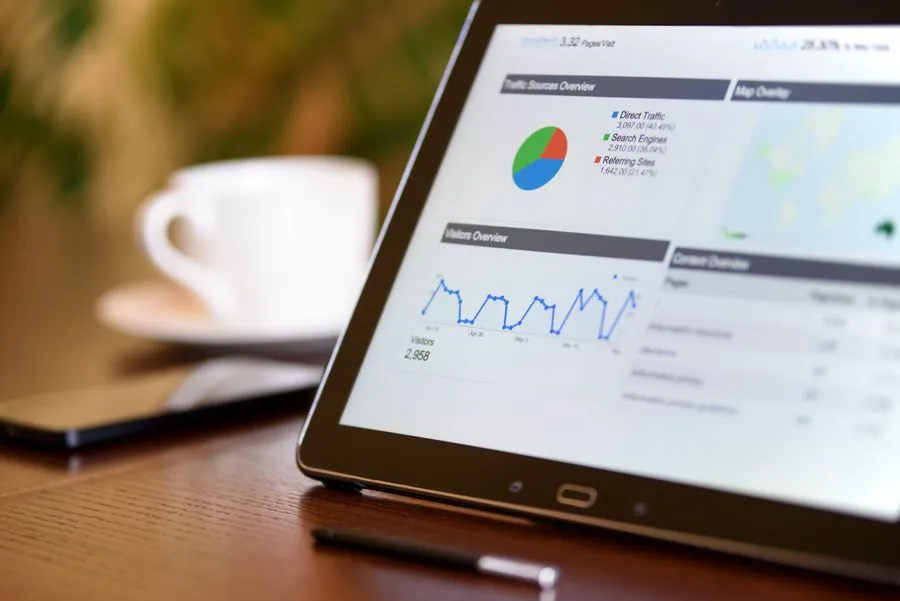
Rich visualizations and analysis of aggregated interactions give you a full picture of leads, conversions, and sales per period, without anyone assembling it by hand.

Tools like chatbots let you communicate with customers and guide them along the funnel, which lowers bounce rate, captures essential data, and lets the sales team spend time where it counts.

Most automation is integrated with the CRM, which is what lets marketers and salespeople work from the same record. Without that connection you get two systems telling you different things about the same customer.
Marketing automation is the process of taking manual, time-consuming tasks and putting them on autopilot. Most solutions integrate with a company’s CRM so marketers and salespeople can work more efficiently from shared data.
By analyzing your sales cycle, your customer data, and what you actually sell, a specialist can program a solution that fits your business. The program lets you send personalized content that promotes the right product, at the right time, to the right customer.
It can improve nearly every part of the sales cycle: lead generation, lead management, closing, and revenue growth.
Lead scoring sharpens lead management. The platform adds points for the actions that signal buying intent, such as opening emails, clicking through to pricing, or returning to the site, and passes a lead to sales once it crosses a threshold you set. Your team calls the people most ready to buy first.
Email marketing is the channel most of that runs through. It’s the promotion of your brand and offerings through direct messaging to defined audiences in your database, people who signed up for a newsletter, created an account, or otherwise gave consent. Unlike social advertising, you send a specific message to specific people who have already shown interest, and most tools support enough personalization that each recipient feels the email was written for them.



It helps you work better, and frees you to focus on product or service delivery. Businesses that use it report streamlined marketing and sales, stronger customer engagement, and better lead quality. They also spend less time on manual tasks, generate more leads, and get their data into one place.
Automated sends earn more opens and clicks than one-off newsletters, because each message lands when it is relevant to the reader. The most popular automated emails are welcome emails, thank-you emails, and ongoing engagement sends.

For e-commerce, an automated checkout makes sure customers complete purchases immediately and stay satisfied with the journey. Orders get received and processed without a person in the loop slowing it down.

Modern platforms give you a live snapshot of marketing and sales performance, with alerts for new subscribers, form submissions, and other interactions, so the data you act on is current rather than last month’s.
Some worry that automated email alienates customers. The opposite tends to be true. Because automation gives you insight into where each customer actually is, it enables the kind of personalization that a manual send never achieves at scale.
Amid rapidly refreshing social feeds, email is very much alive. There’s something deeply personal about a message delivered straight to an inbox, and email marketing starts from the fact that the customer invited you there.
 01 / Personal
Email is the pinnacle of personalization, and many B2B marketers name newsletters as their best way to nurture leads. Segmentation lets you send by genuine interest rather than to everyone at once.
 02 / Return
Welcome emails are among the most opened messages a business sends, and they earn far more opens and clicks than a standard promotional email. Email also tends to deliver more conversions and a higher order value than social, thanks to that personalization.
 03 / Systems
With the right strategy and platform, email runs like clockwork. Set up segments and tailor content for regular automated touchpoints, and the whole sales cycle becomes something you manage rather than operate.
 04 / Traffic
The best newsletters link back to your site, directing customers to products, services, and exclusive offers, and prompting them to revisit abandoned carts. Most B2B marketers count email among their top organic distribution channels.
 05 / Reach
Email reaches any device, and much of it is now read on a phone. It’s also permission-based: customers consented to hear from you, so a professional, branded template builds credibility and recall rather than interrupting.
We understand the importance of a campaign executed properly the first time. Our in-house creative team focuses on what you want to draw attention to, and makes it hard for your audience to ignore.
Before we launch anything, we perform extensive research to understand exactly who your audience is and what they want to see.
We take the time to learn everything you already know about your customers, then put that to work in the campaign rather than starting from a template.
Once we understand the audience, we create custom designs that speak to them.
Our in-house creative team produces graphics, content, and newsletters matching your brand identity and tone, structured to draw attention to the right thing with multiple calls to action and clickable links.
With the audience defined and the design built, we set the cadence and the triggers.
That covers segment rules, send timing, and the automated sequences that fire on behavior rather than on a calendar, so each message arrives when it is relevant.
Every campaign produces data on opens, clicks, conversions, and unsubscribes by segment.
We use it to refine subject lines, timing, and content, because the second campaign should always be better informed than the first.
We do more than configure a software solution. Automation is most valuable when it sits inside a system that is feeding it good data and good demand.

Automation acts on what the CRM knows. Without a properly configured CRM underneath it, you are automating messages to a contact list rather than to a customer journey.

Nurture sequences need something worth sending. Content is what fills the flows with material that earns the open rather than just occupying the slot.

Knowing which automated touch actually contributed to a closed sale is what lets you invest in the flows that work and retire the ones that only look busy.
There’s a reason Consultus Digital holds 97% account retention.

My firm, KASE Insurance Inc., has partnered with Consultus Digital two years ago. At that time we had no online strategy. The team have helped us rebuild our website and created an SEO strategy that has provided us with 150% ROI! Consultus Digital has an amazing customer service team and they truly care about their clients and delivering on their promises. I strongly recommend the Consultus Digital team to all my friends and clients.
 Google review
The team at Consultus Digital won our business due to their thorough assessment and realignment of our digital sales and marketing strategy. Within only a few weeks of partnering with them, we increased our inbound leads significantly by reconfiguring the user experience of our website.
 Case study
I began using Consultus Digital in January of 2022 after being with a competitor for many years. The team at Consultus Digital has helped us to increase revenues over the last number of months and has brought new engaging ideas to increase our exposure within our market. They are a great team who do amazing SEO, Google ads and CRO. Highly recommend.
 Case study
Such a great team to work with! Created an amazing new website for us along with managing all our paid digital ads each month.
 Client quote
As the VP of both Sales and Marketing for one of Canada’s largest electronic recycling companies, I wear many hats. I rely on the team at Consultus Digital to act as my outsourced, internal marketing team. Over the past 3 years, they’ve provided our company everything from website development to social media management. I would highly recommend the team at Consultus Digital to any business looking for a partner in navigating the complex world of digital.
 Client quote
Consultus Digital has looked after our website, search, social and paid media since 2021. What sets them apart is that they care about what happens after the lead comes in, not just how many come in. When something needs attention, they’re on it.
 Client quote
Working with Consultus Digital over the last year has allowed us to scale our online business significantly. We’ve learned so much in the short time working with them about our business that we’ve not only been able to apply to our digital marketing efforts but other aspects of our business. We continue to be impressed with their new innovative way of thinking in the search space, which included one of the best digital reporting dashboards I’ve seen in 17 years of digital marketing.
 Case study
Extremely happy with the overall experience working with Consultus Digital. I had the pleasure of working with Mo. Everything Mo said he was going to do, he did! We worked with Consultus Digital on a new website. Mo and the team brought our website from 2012 into 2024. Mo offered suggestions on the ways customers interact with websites, what works well, what doesn’t work well and ultimately we ended up with a very professional modern website. I would 100% recommend the Consultus Digital team!
 Google review
Nurture flows, lead scoring, and email campaigns wired to your CRM. Contact us today and find out how we can help your business grow.